July 8, 2026
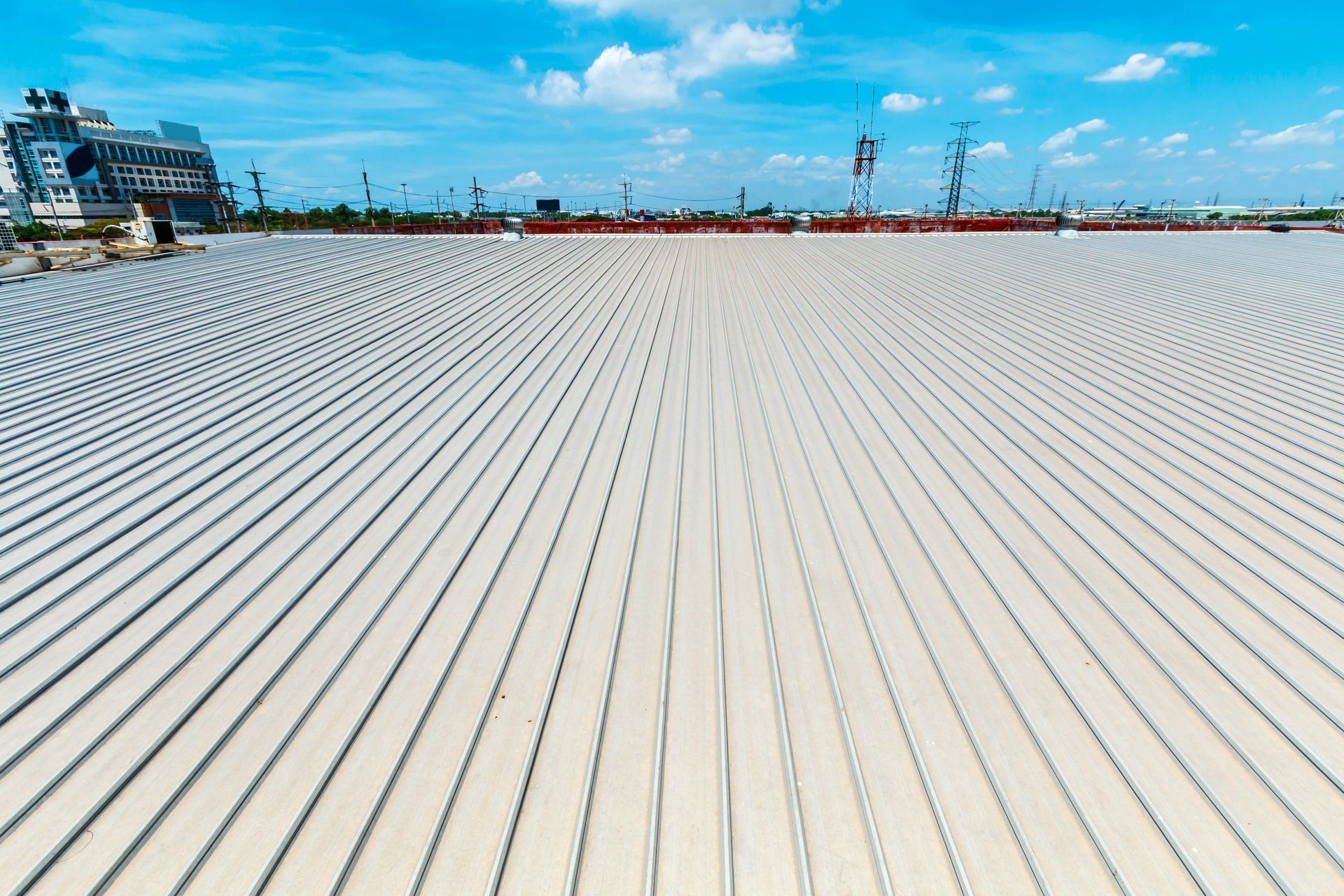
Commercial roofing systems play a major role in protecting buildings, supporting daily operations, and managing long-term maintenance costs. Choosing the right roofing material can affect durability, energy performance, and overall building value. Metal roofing has become a popular choice across many commercial industries because it offers a balance of strength, longevity, and performance. Roofers often recommend it for buildings that require dependable protection under changing weather conditions and regular daily use. This article explains why metal roofing is commonly recommended for commercial properties and how roofers evaluate its long-term benefits for different types of buildings.
Improving Long-Term Durability
One of the main reasons metal roofing is widely used on commercial properties is its durability. Commercial buildings are exposed to constant weather, temperature changes, and environmental conditions that place stress on roofing systems throughout the year. Metal roofing is designed to withstand many of these challenges while maintaining its structural performance. It also performs well in environments where roofs are exposed to prolonged sunlight, changing temperatures, and frequent precipitation, making it a practical choice for many types of commercial facilities.
According to This Old House, metal roofing can last up to 70 years. This long service life makes it an attractive option for commercial property owners planning for long-term building performance. A longer-lasting roof can also reduce the frequency of major replacement projects over the life of the building. Roofers often evaluate expected building use, climate conditions, and maintenance goals when recommending roofing materials. For many commercial properties, long-lasting performance becomes one of the most important considerations. Choosing durable materials can also help support business continuity by reducing the likelihood of significant roofing disruptions over time.
Reducing Ongoing Maintenance Needs
Commercial property owners often look for roofing systems that require less frequent maintenance. Metal roofing is commonly selected because it generally resists many of the issues that affect other roofing materials over time. Its durable surface can help maintain performance despite continuous exposure to changing environmental conditions, including prolonged sunlight, heavy rainfall, and fluctuating temperatures. With regular professional inspections, metal roofing can continue performing reliably while helping reduce the frequency of maintenance-related interruptions.
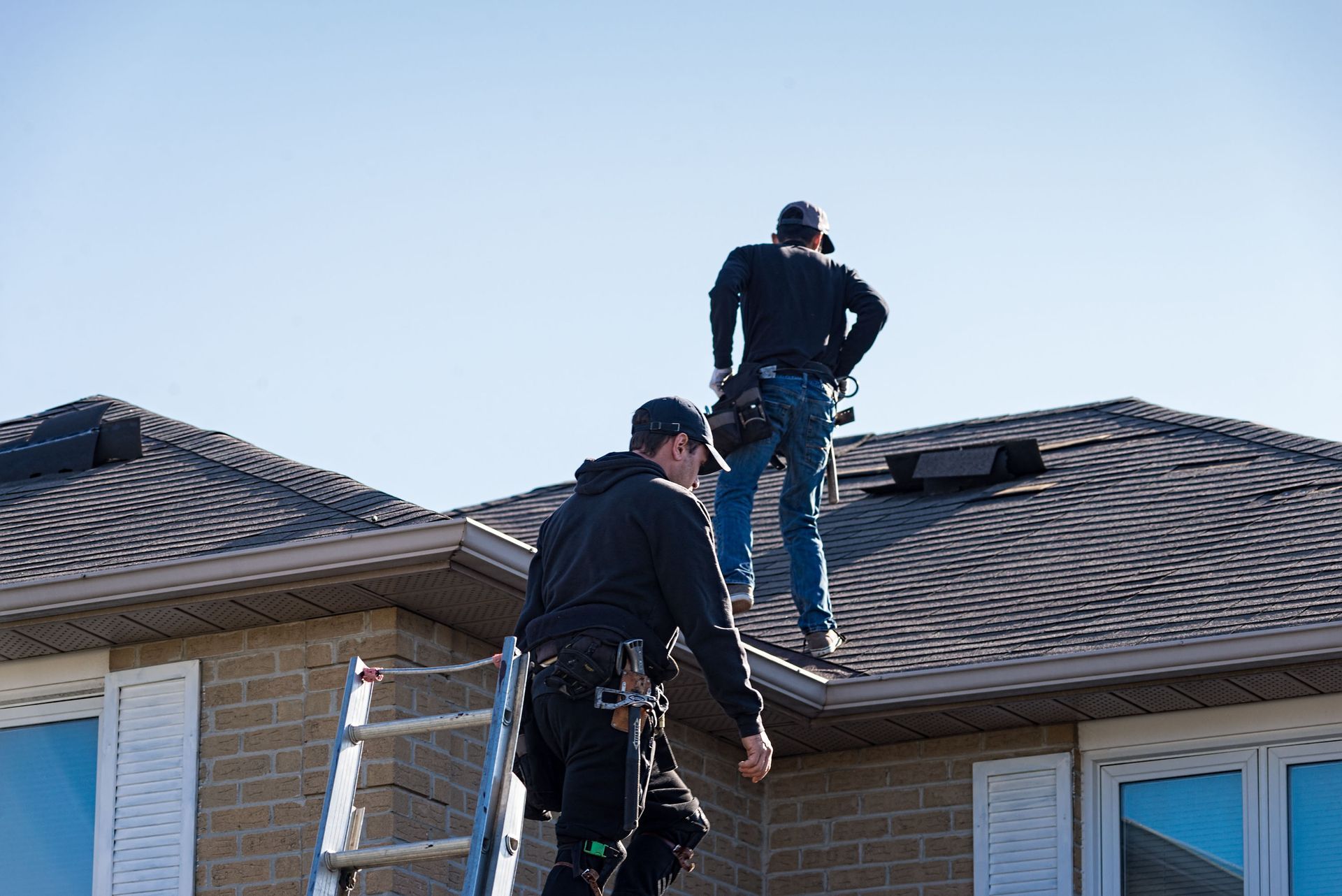
Routine inspections and preventive maintenance remain important for every commercial roof. Seeking professional help allows potential concerns to be identified early before they become larger repair projects. Roofers often recommend scheduled inspections to monitor fasteners, flashing, drainage systems, and other roofing components. Lower maintenance demands can also help reduce operational disruptions. Commercial facilities often remain active throughout the year, making dependable roofing performance especially valuable. Regular inspections also provide an opportunity to identify minor wear before it affects larger sections of the roofing system.
Supporting Energy Efficiency Goals
Energy performance is another reason metal roofing is frequently chosen for commercial buildings. Roofing materials directly affect how much heat enters a structure, influencing indoor temperatures and cooling demands. This can have a noticeable impact on overall building efficiency, particularly in regions with extended periods of warm weather.
Many metal roofing systems reflect a portion of solar heat rather than absorbing it. This characteristic may help reduce heat buildup on commercial buildings during warmer months. Roofers often consider local climate conditions when discussing roofing materials that support energy management goals. Improved energy performance may also contribute to more consistent indoor conditions across offices, warehouses, retail facilities, and other commercial spaces. Stable indoor temperatures can also support occupant comfort while reducing strain on building cooling systems.
Protecting Buildings from Weather Exposure
Commercial roofs remain exposed to sun, rain, wind, and seasonal weather throughout the year. Metal roofing is designed to perform under a wide range of environmental conditions while maintaining structural stability. Heavy rainfall requires efficient water drainage to reduce standing water and moisture-related problems. Roofers evaluate roof slope, drainage systems, and overall building design when recommending roofing materials that perform well during wet weather. These evaluations help determine how the roofing system will manage water movement and support long-term performance.
Wind resistance is another important consideration for commercial properties in many regions. Metal roofing systems are often selected because they can provide dependable performance when properly installed and maintained. In areas that experience severe weather, selecting materials capable of handling changing conditions can help support continued building protection.
Supporting Structural Performance
Commercial buildings often require roofing systems capable of covering large areas without sacrificing strength. Metal roofing provides structural advantages that make it suitable for warehouses, manufacturing facilities, office buildings, and other commercial properties. Its combination of durability and strength makes it well suited for buildings with demanding operational requirements.
Roofers consider factors such as roof span, framing requirements, and building design before recommending roofing materials. Selecting materials that match the building's structural needs helps support reliable long-term performance. Proper installation is also important for maintaining structural integrity. Seeking professional help allows roofing systems to be installed according to project specifications and building requirements. Careful planning during installation also helps different roofing components work together as part of a complete roofing system.
Improving Sustainability Considerations
Many commercial property owners consider environmental factors when selecting roofing materials. Metal roofing is often viewed as a practical option because many products contain recycled materials and can be recycled at the end of their service life. This allows businesses to include sustainability among the factors considered during long-term facility planning.
Long service life also contributes to sustainability by reducing the number of roof replacements over several decades. Roofers frequently discuss life cycle performance when evaluating roofing options for commercial buildings. Businesses planning long-term facility improvements often include sustainability goals as part of their roofing decisions alongside durability and maintenance considerations. Reducing material replacement over time can also help limit construction-related waste throughout the building's lifespan.
Managing Long-Term Costs
Initial installation costs represent only one part of a commercial roofing investment. Property owners also consider maintenance expenses, repair frequency, and expected replacement timelines when evaluating roofing materials. Looking beyond initial costs often provides a more complete understanding of the overall value of a roofing system.
Because metal roofing generally offers a long service life, many commercial property owners view it as a long-term investment. Roofers often explain that evaluating lifetime performance provides a more complete picture than focusing only on upfront costs. Reducing unexpected repairs and extending replacement intervals may contribute to more predictable facility budgeting over time. A roofing system that performs consistently for many years can also make long-term financial planning easier for commercial property owners.
Evaluating Professional Installation
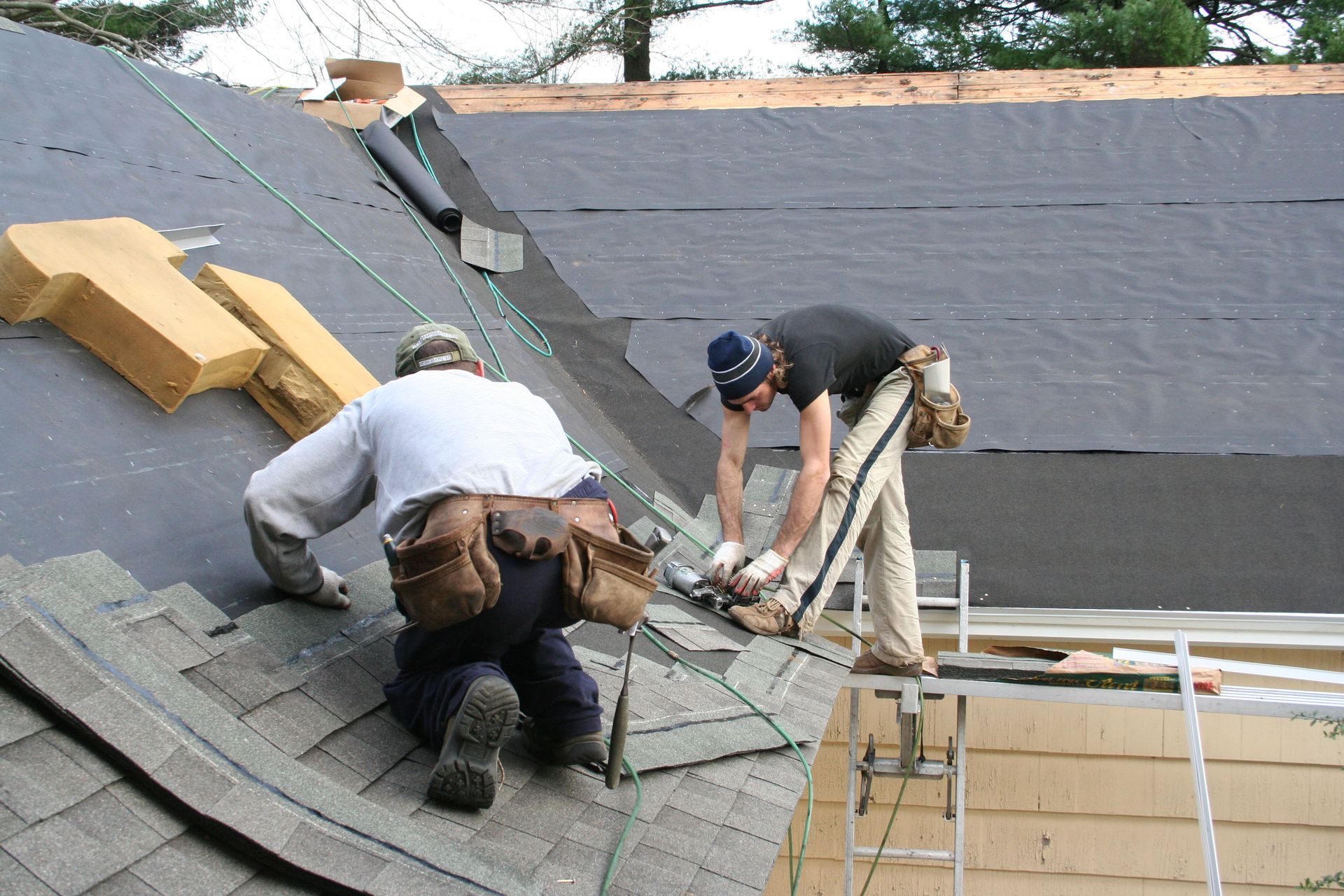
Material performance depends heavily on proper installation. Commercial roofing projects often involve large roof areas, complex drainage systems, penetrations, and equipment that require careful planning throughout installation. Seeking professional help supports accurate measurements, proper fastening methods, and careful installation practices. Roofers understand how building design, weather conditions, and roofing components work together to support long-term performance. Professional installation also helps align roofing systems with manufacturer recommendations and applicable building requirements.
Metal roofing continues to be a popular choice for commercial properties because it offers durability, energy performance, weather resistance, and long-term value. When combined with proper planning, regular maintenance, and professional installation, it can support dependable building performance for many years while helping reduce long-term maintenance concerns. For businesses considering a commercial roofing project, contact Turn Key Construction, Inc today to work with experienced roofers who can help identify a roofing solution that supports your building's long-term performance, operational goals, and overall property protection for years to come.